I want to take a moment to celebrate my first big moment as a freelancer: Friday marked the debut of the Overlook, my new column with CULTURED magazine.
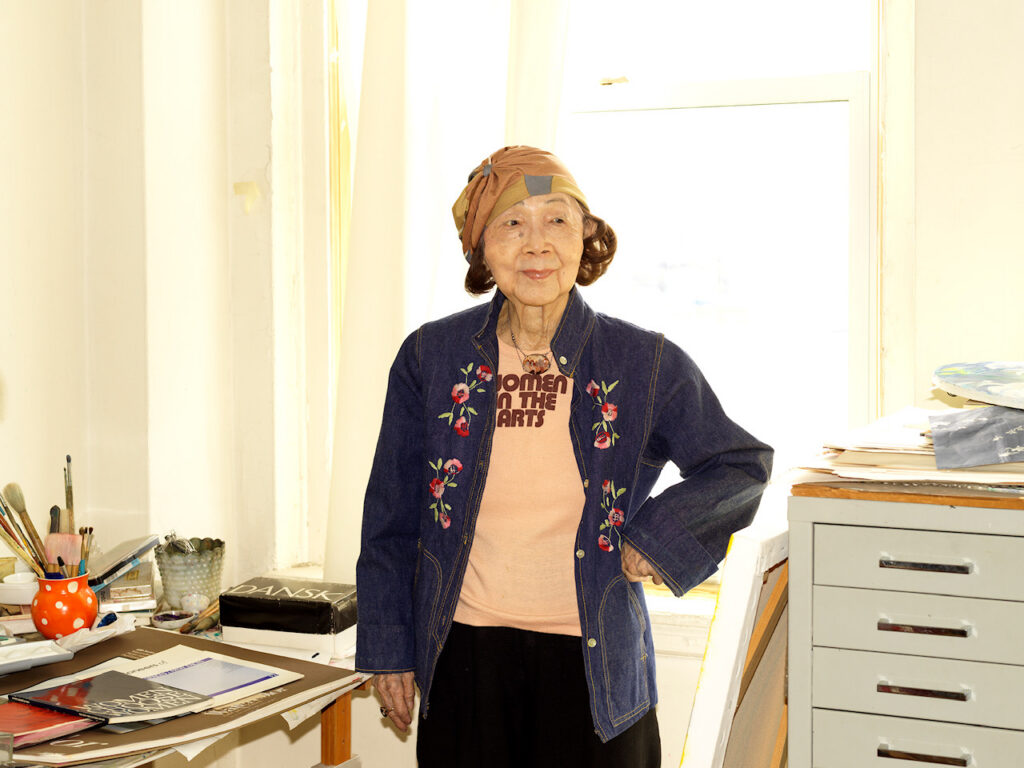
“At 101, the Chinese American Artist Ce Roser Is Finally Getting Her Big Break” for CULTURED
I am so grateful to editor-in-chief Sarah Harrelson for this opportunity to write for such a prestigious and beloved publication. I hope the Overlook can help give a voice to artists who aren’t getting the attention they deserve—to tell the stories that aren’t being told. And it is a joy to work again with the incomparable Julia Halperin, who connected Sarah and me, and helped shape the idea for the column, which she will be editing.
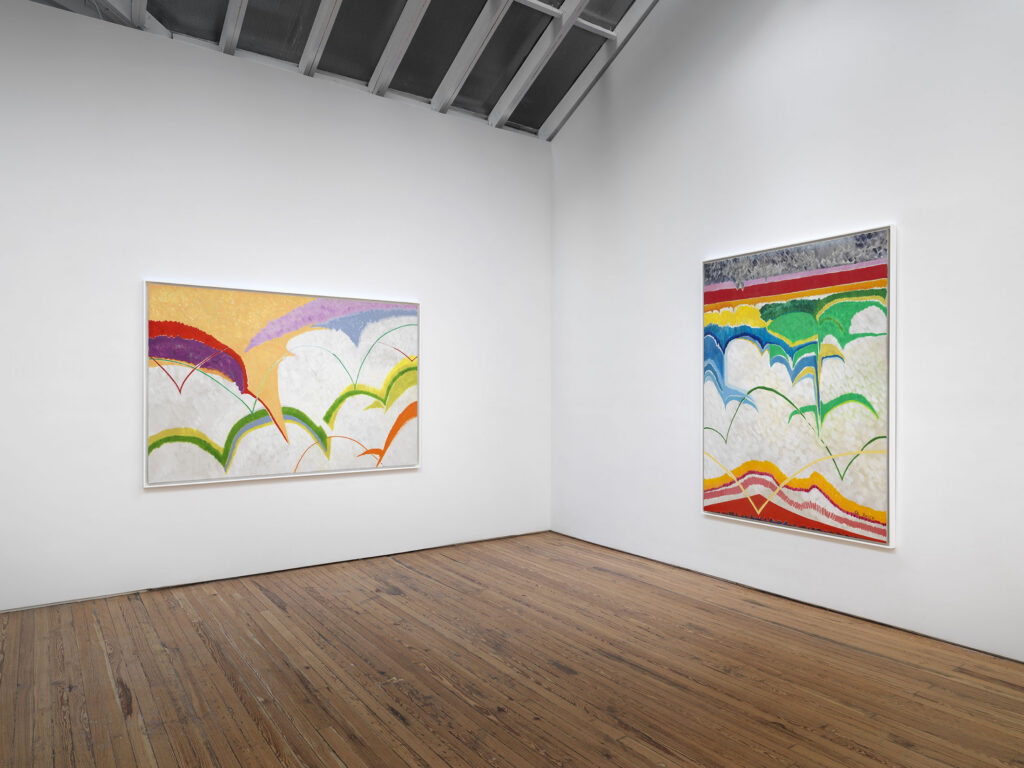
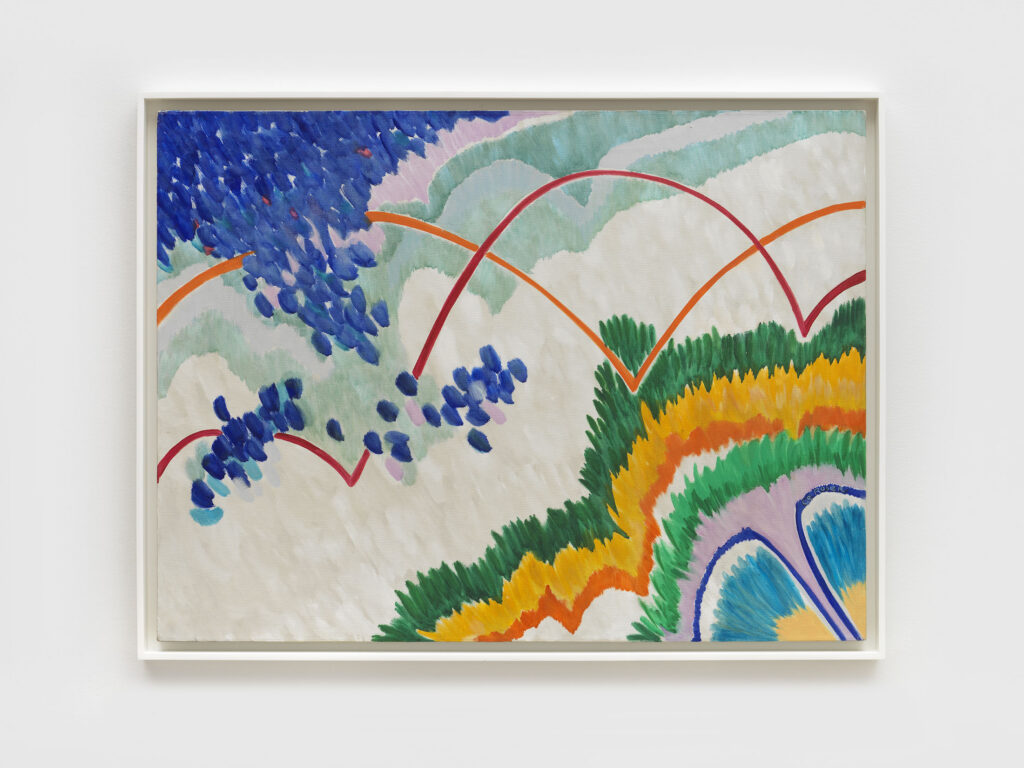
The inaugural entry features the incredible story of Ce Roser, a talented abstract painter and fearless activist who has fought for the representation of women artists since the 1970s. She’s also made hundreds of beautiful artworks, visions springing off her brush almost as if predestined. (Roser described the process to me as “dream painting.”)
But her current exhibition at Sebastian Gladstone in Tribeca is the first solo show for Roser—who is 101!—in over 30 years, even though she has work in more than 30 museums, including the big three of the Met, the MoMA, and the Whitney here in New York.
A Failure of the System
In March, I attended the Making Their Mark Forum in Washington, D.C., which was dedicated to finding ways to break down the systemic inequalities that make it so difficult for women artists to achieve the same degree of success as their male peers. The conversations from that inspiring event are top-of-mind as I begin work on the Overlook.
It is so frustrating to think of Roser’s exuberant, colorful canvases, so vibrant and full of life, collecting dust for decades in the Upper West Side apartment she has called home since she was just 27. At least they are getting their moment in the sun now, with a tightly curated selection of paintings made between 1977 and 1986 on view in Manhattan’s buzziest art neighborhood with a young, up-and-coming dealer. (Gladstone has already sold eight, with a week and a half left in the show’s run.)
And it’s wonderful that Roser is still here to experience this exhibition, and to appreciate how audiences are responding to her work. All too often, overdue attention for women and minority artists comes posthumously.
Now in her second century, Roser is acutely aware of her own mortality. “Given my age, there isn’t a lot of time,” she told me.
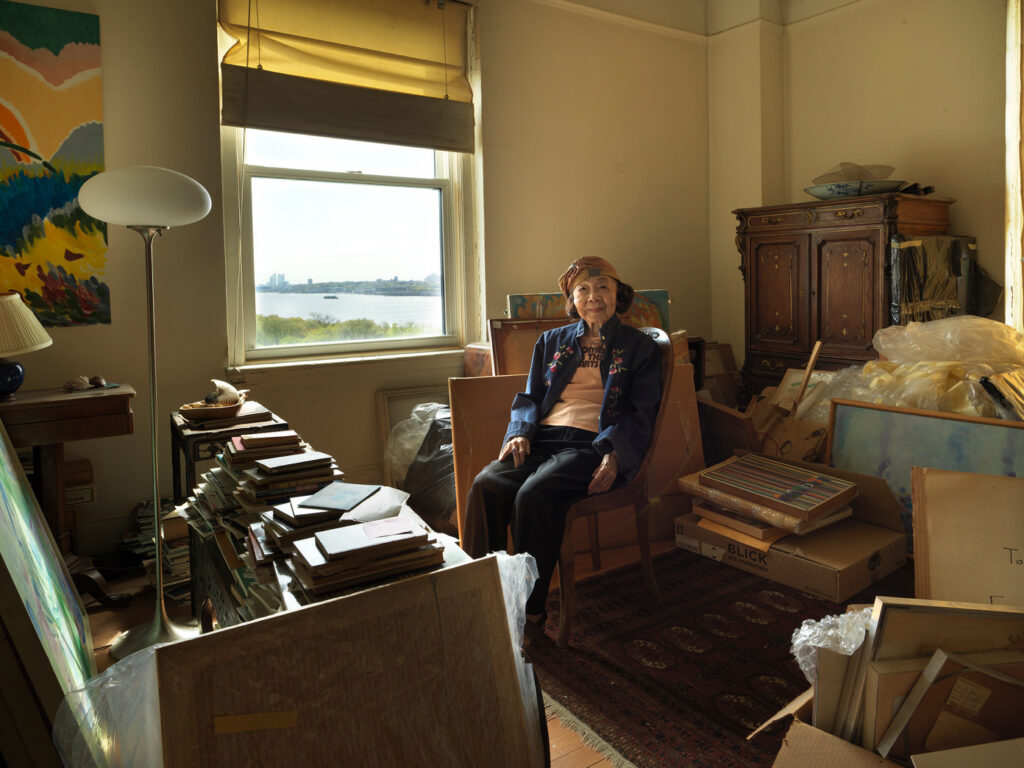
You might be fooled though, spending an afternoon in her company. Roser is incredibly sharp. And she’s spry, rising easily from her chair to show me the view out her 11th-story windows overlooking the Hudson, and effortlessly rifling through paintings to pull out different compositions when I ask to take photographs for my Instagram.
The Importance of a Creative Life
Roser was eager to tell me about her life and career, and how she transitioned from working in the foreign service to a life behind the canvas. And as a mother of a young child myself, I especially enjoyed hearing how Roser managed to continue making her art after her son Lorin was born—a challenge, she realized, that many other artists did not have to face.
“I had all these friends who had no children, who devoted themselves [to art], and I read about the Old Masters, and they seem to have no domestic duties at all!” Roser told me. “I don’t know how they got fed.”
She chose to keep the two spheres completely separate, painting only when her son or husband were not around. But that meant Roser’s practice was an invaluable form of self care that helped make her a better wife and mother.
“It’s its own reward, I feel, expressing yourself,” she told me. “It’s so wonderful to have that outlet, and everyone should have it, because we all need to express the inexpressible things that happen to us. And we need to keep a balance in order to keep sane.”
Her remarks really resonated with me. I majored in visual art in college, and I have experienced the joy and satisfaction that art making can bring. And today, I feel similarly compelled to write. When I started this newsletter, with a news item about a protest at the Venice Biennale, I tearfully joked that I was the girl who loved her job so much, she kept doing it for free—but it’s kind of true!
It was an honor to share Roser’s story with CULTURED readers, and I hope to bring many more compelling tales to their pages.
“Ce Roser: Ten to Get Ready, and Ten to Go” is on view at Sebastian Gladstone, 36 White Street, New York, New York, May 1–June 13, 2026.
Overlooked Kinetic Art Masters
The very next day after my first column of the Overlook dropped, another formerly unsung artist died—the great Argentinian painter and sculptor Julio Le Parc, age 97. A decade ago this fall, I had the opportunity to interview him on the occasion of his first U.S. museum survey, at the Pérez Art Museum Miami. (He was also still actively working when I spoke to him for Artnet News’s studio visit series in 2022!)
At the time, I had never heard of Le Parc, and I honestly was not incredibly excited to do the piece. Luckily, I had the good sense to listen to my friend who pitched it, Julia Lukacher, now global head of communications at David Zwirner, but then at Sutton and working with Galeria Nara Roesler.
When the PAMM show opened, Le Parc had a breakout moment at that year’s Art Basel Miami Beach festivities. My colleague Henri Neundorf interviewed him there, an experience that he likened to speaking with a rock star, so often were the two interrupted by fans, well wishers, and selfie seekers.
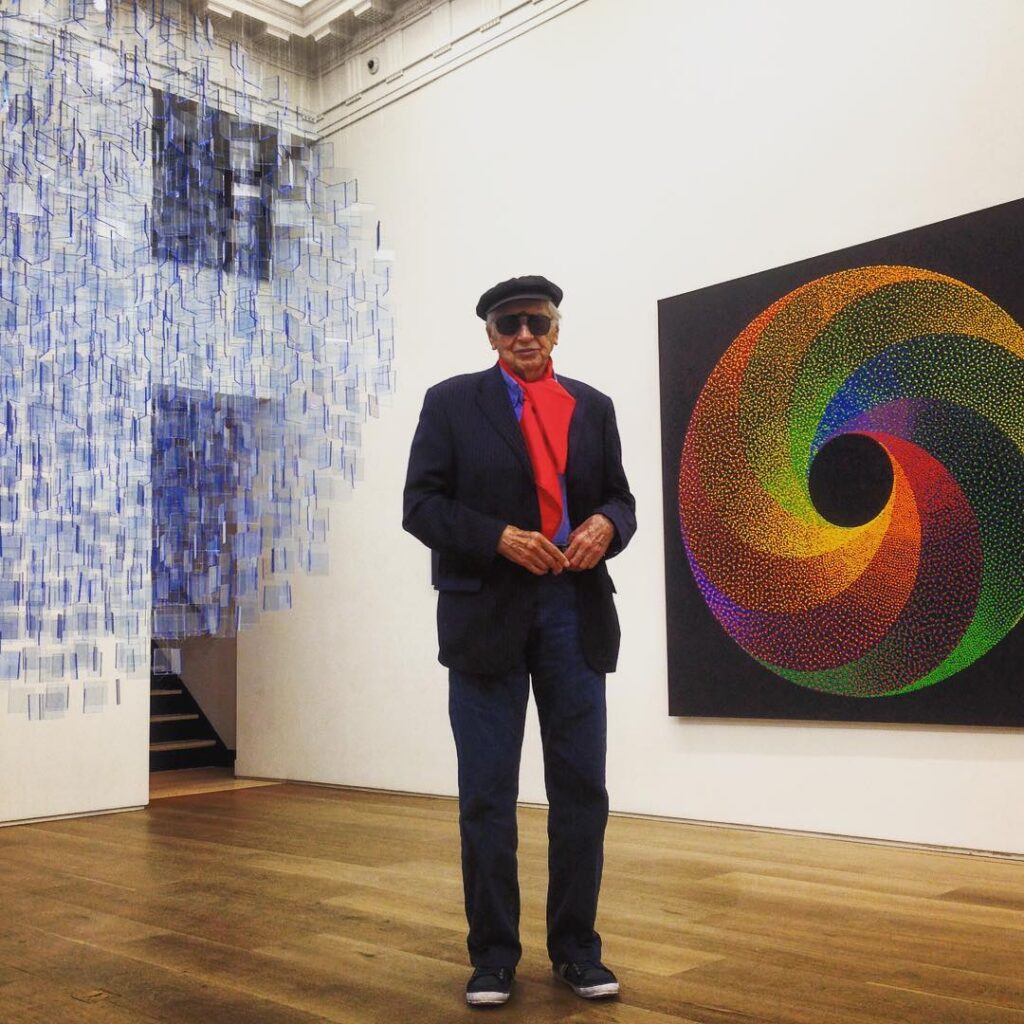
I ended up picking the exhibition, which was a true sensory delight, as one of the most memorable of the year.
“This is an artist with a rare vision, who uses a simple palette of colors and basic mechanical parts to create utterly unexpected, transformative works that engage the viewer on multiple levels,” I wrote. “They are beautiful, thought-provoking, and easily appreciated both by the art cognoscenti and the everyman.”
In the years since, Le Parc has become easy to spot at art fairs, where he is most often represented by his glittering, monumental mobiles.
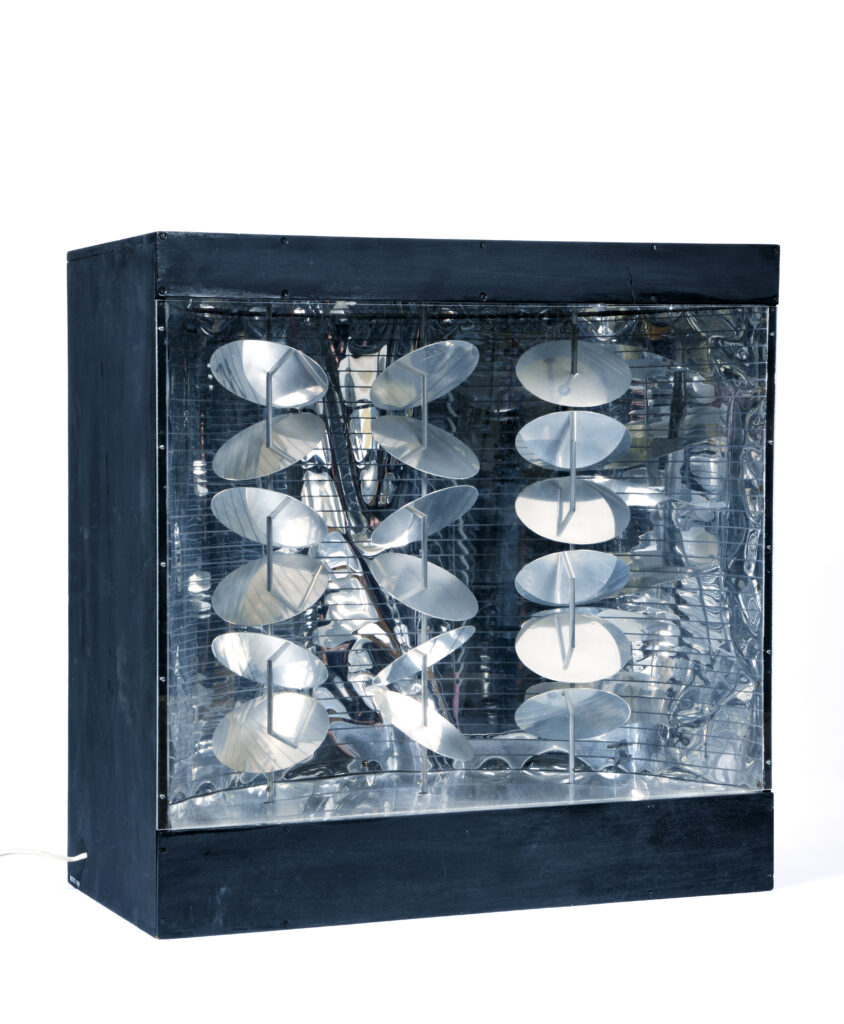
But I was recently tricked at the New Museum, by a kinetic lightbox sculpture in “New Humans: Memories of the Future,” the expanded institution’s inaugural show, that had all the hallmarks of a Le Parc. There was a mirrored surface against which three columns of metal discs set at alternating angles rotated, reflecting beams of light back at the viewer in a mesmerizing fashion.
But the piece, Plus helicoidals, was actually by one of Le Parc’s contemporaries, Martha Boto. Born in Buenos Aires in 1925, Boto was part of a group of kinetic artists that emigrated from Latin America to Paris in the 1950s and ’60s that included Le Parc, and Jesús Rafael Soto. She died in Paris in 2004, and is best known for “works that transform light into a malleable, sculptural medium,” according to the New Museum wall label.
Le Parc’s death reminded me that I am curious to learn more about Boto—and that no matter how long I work in this industry, there will always be new-to-me artists to discover, and under-appreciated art historical chapters worthy of revisiting. That’s one of my favorite things about being an art writer, and I hope you’ll come with me as my journey to tell these stories continues!
If you enjoyed this piece, please subscribe for either a free or paid subscription. Your support of independent art journalism is greatly appreciated.